
What happens when a tire is no longer usable? Where does it go? Join Into the Outdoors Adventure Team as we investigate sustainable solutions for scrap tires.
Every year over 300 million tires are discarded in the US. In the past, they were thrown into landfills or dumped illegally. That’s a lot of waste! But today there are many ways scrap tires can be reused or recycled. The ITO Adventure Team travels to Michigan, Colorado and Minnesota to learn how scrap tire disposal is being managed. We learn why illegal dumping is hazardous to human health and the environment.
In Minnesota, we learn about Tire-Derived Aggregate (TDA). It’s durable, light-weight, permeable, and can be used in a variety of engineering and construction applications. It prevents frost heaving, solves sinking soil issues, and can even be used to help clean storm-water contaminants.
In Michigan and Colorado, we discover several other products made from scrap tires. Tires can be shredded into different sizes for use as landscaping, molded products, road coverings, and more. It can also be processed into Tire-Derived Fuel, which provides even higher BTUs than coal.
Sometimes environmental issues feel like mountains, but with creative ideas and working together, we can make a difference! If we can find sustainable solutions for a material like tires…what other environmental solutions can we come up with?!
Full Video
Classroom Videos
Sustainability, Engineering and Tires
Scrap Tires, A Waste Material No Longer
Classroom Assets
Tires 2 Lesson Plan
Scrap Tires, A Waste Material No Longer
Related Content

Mapping the Mysteries: Great Lakes Careers
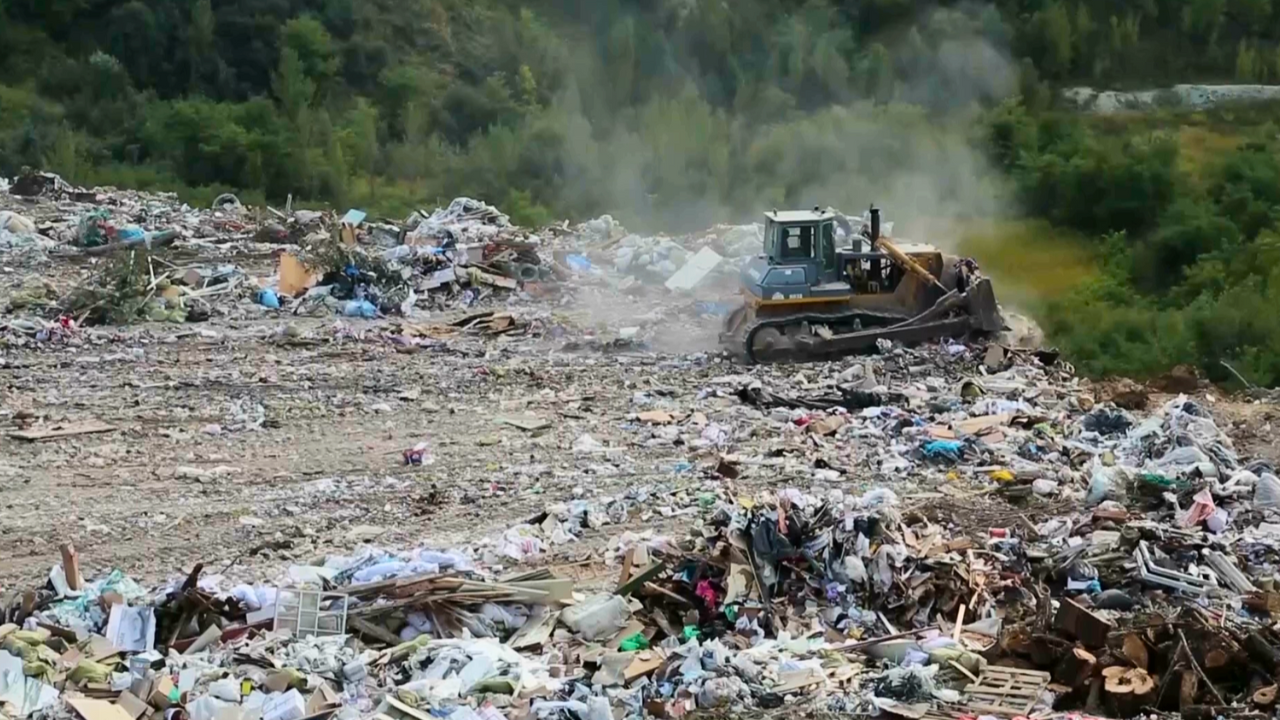
Becoming Stewards – Waste Resource Management

Into National Marine Sanctuaries

Ripples in the Forest
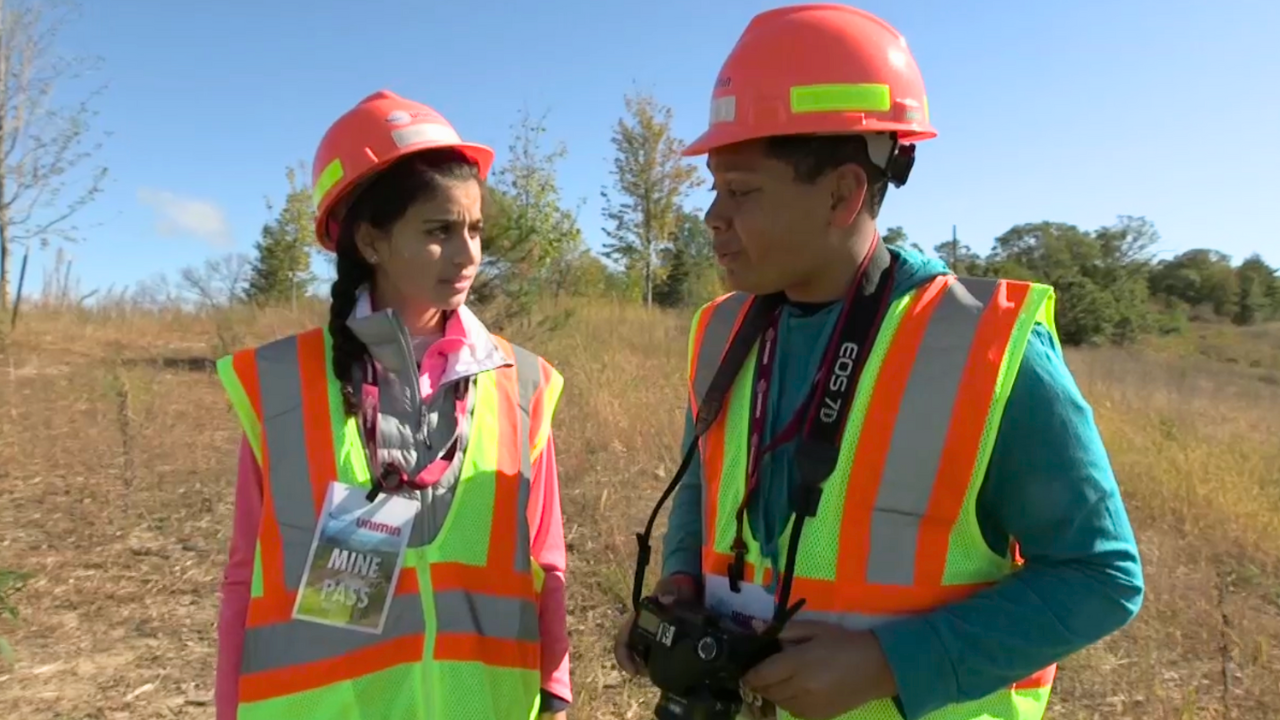
Decoding Industrial Sand Mining

How to Protect Lakes from Invasive Species

Electrifying Careers in Energy

Soybean Savvy

Managing Forests for Multi-Use