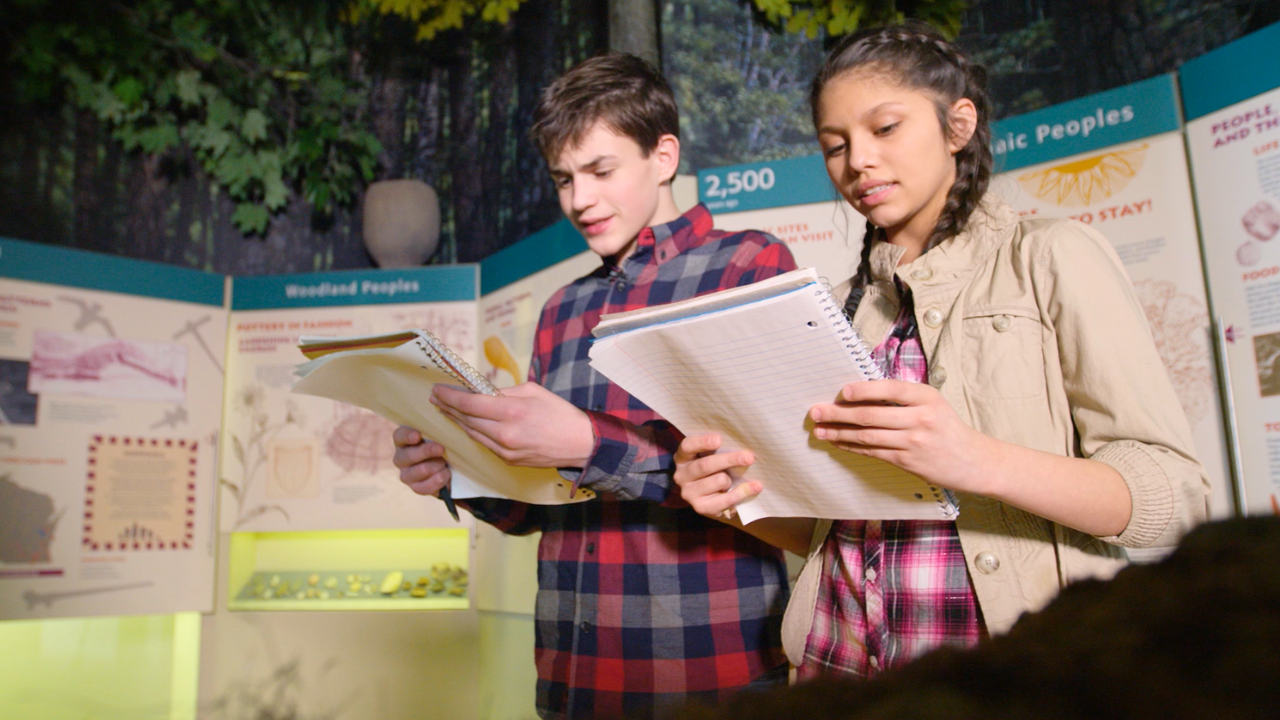
How many glaciers advanced across the landscape and retreated back? Discover the answers by watching the four parts of this science show and reading the information below. And to take this learning adventure into your classroom, have your teacher download the free Discussion Guide at the bottom of this page so everyone can share in the fun of this inquiry based learning.
All this glacial activity started about 2.5 million years ago, and ended about 12,000 years ago. During that time, we had four major periods of glacial activity that shaped and reshaped our land surface. When the ice sheets finally retreated, they left behind some really interesting features. So in the end, the glaciers changed much of our surface geology. And it’s the geology of the land that affects a great many things in our lives today – from the water we drink to what forests grow where. The coolest news of all is that some scientists think we may be living in an “interglacial period”. Should we consider getting out our cross country skis?
The four parts of Trailing Ice Age Mysteries from Into the Outdoors and their companion Discussion Guide below, will help guide you and your classroom into unlocking many of the ice age mysteries the glaciers left behind. This is seriously COOL science, so just chill.
Plus, the educational partner noted below supported the video and lesson content here for all of us to learn from. They also offer other learning opportunities on their website. So click on their logo to discover more!
Full Video
Classroom Videos
The Driftless Area
Ice Age Trekking
Glacial Geology Matters
Exploring Glacial Features
Ice Caves of Lake Superior
Classroom Assets
Rocking Around
Lesson Guide Driftless Area
Lesson Guide Glacial Geology Matters
Wetlands Ecologist
Glaciers EM
Geology HS
RElated Content
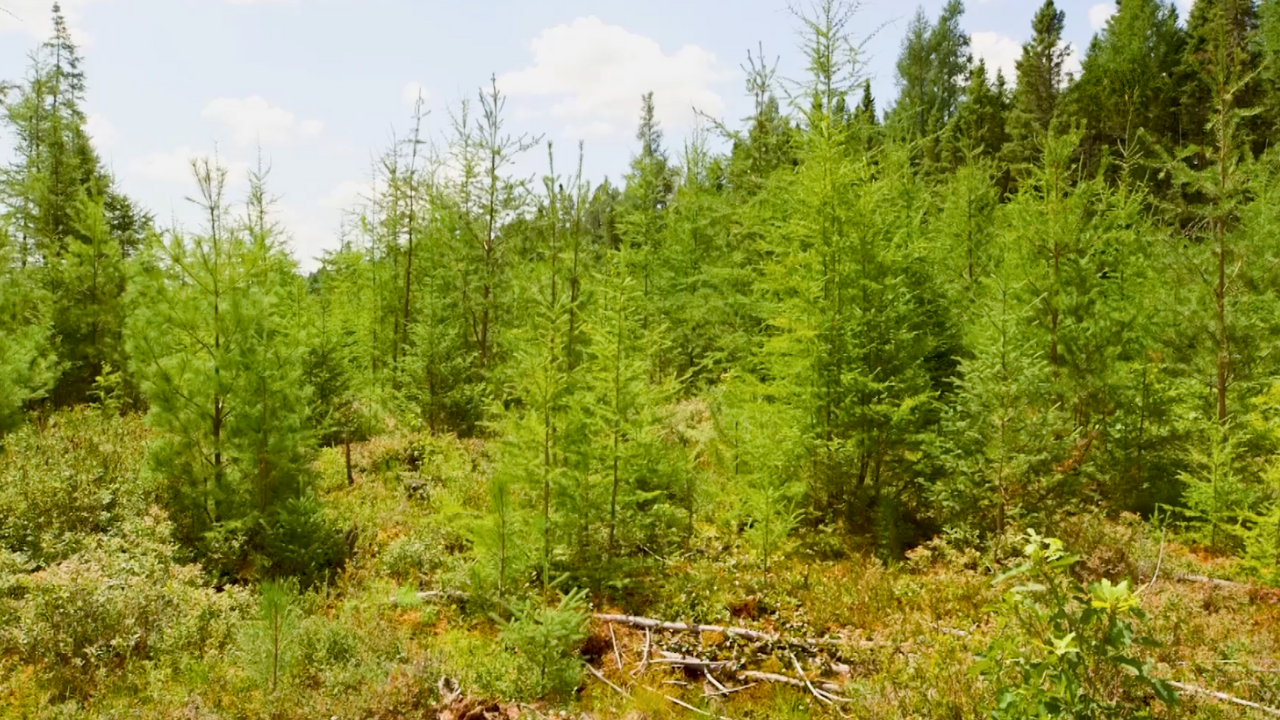
Protecting Forests, Enhancing Lives
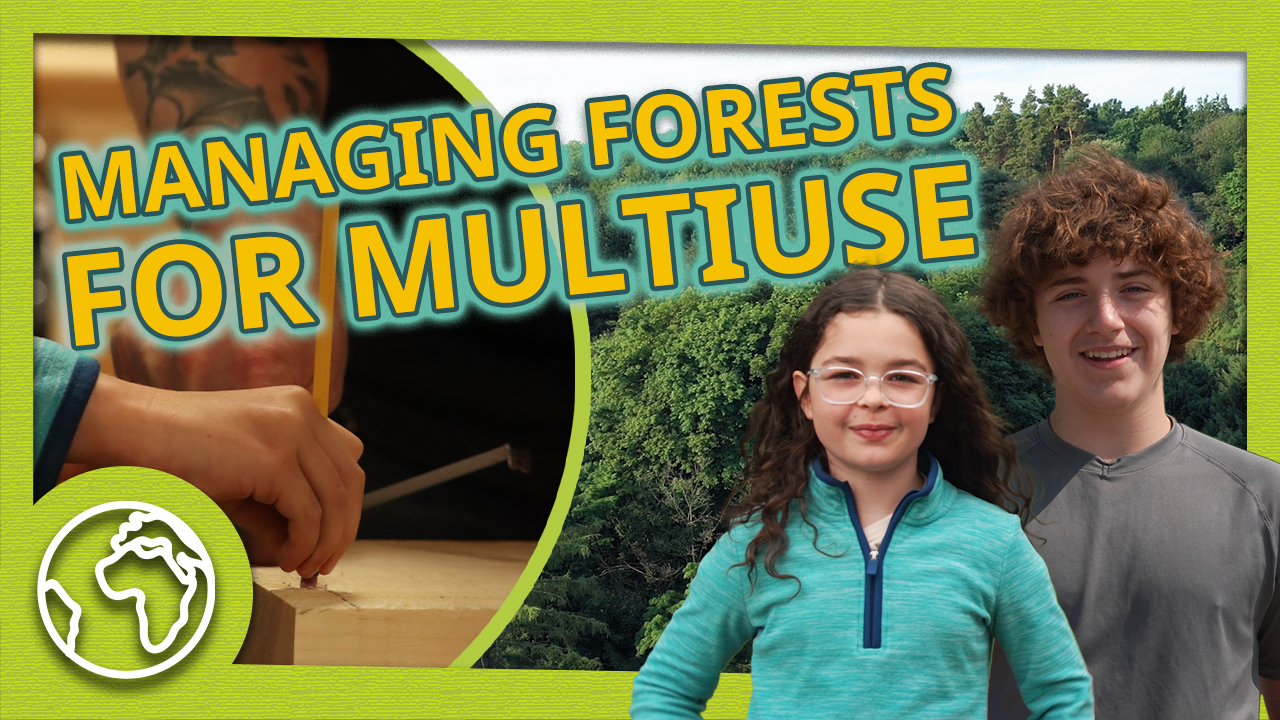
Managing Forests for Multi-Use
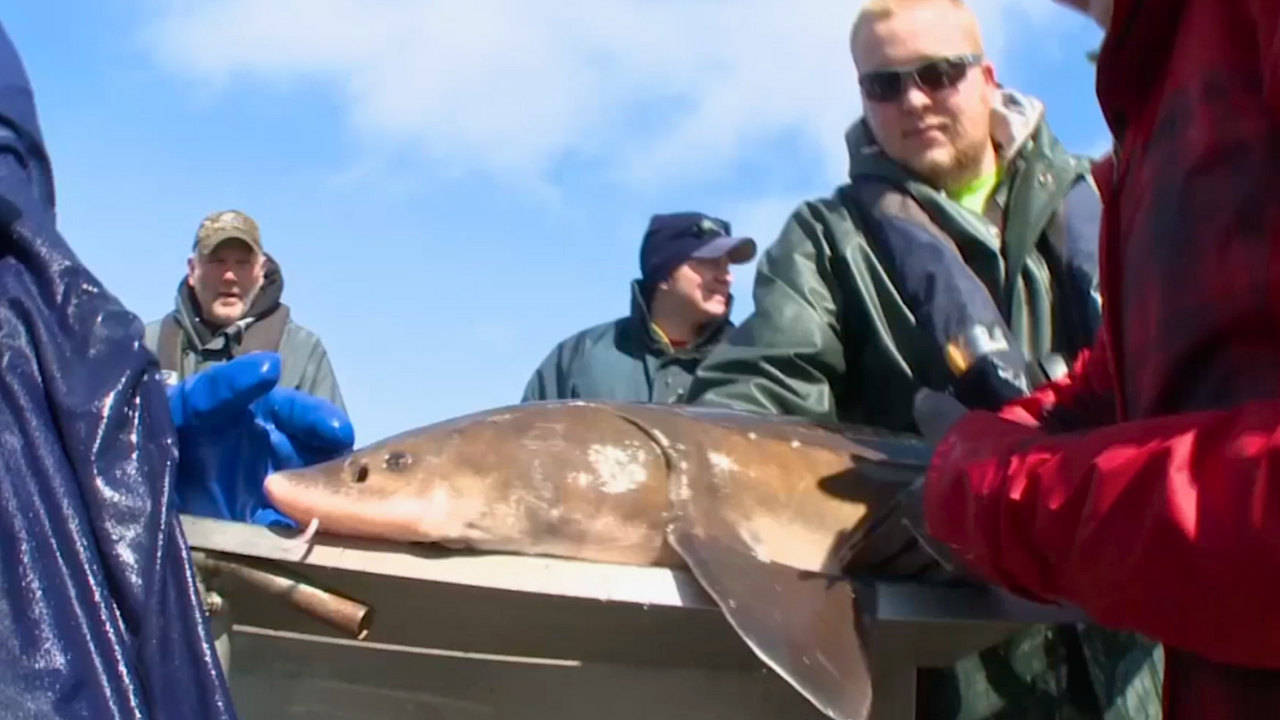
Sturgeon Conservation
Safety and Etiquette: Becoming A Responsible Boater

Decoding the Science of Boating Safety
Into Family Fishing the Last Frontier
CLIMATE ADAPTATION AND FOREST STEWARDSHIP
Savvy Sustainability
Game Bird Quest