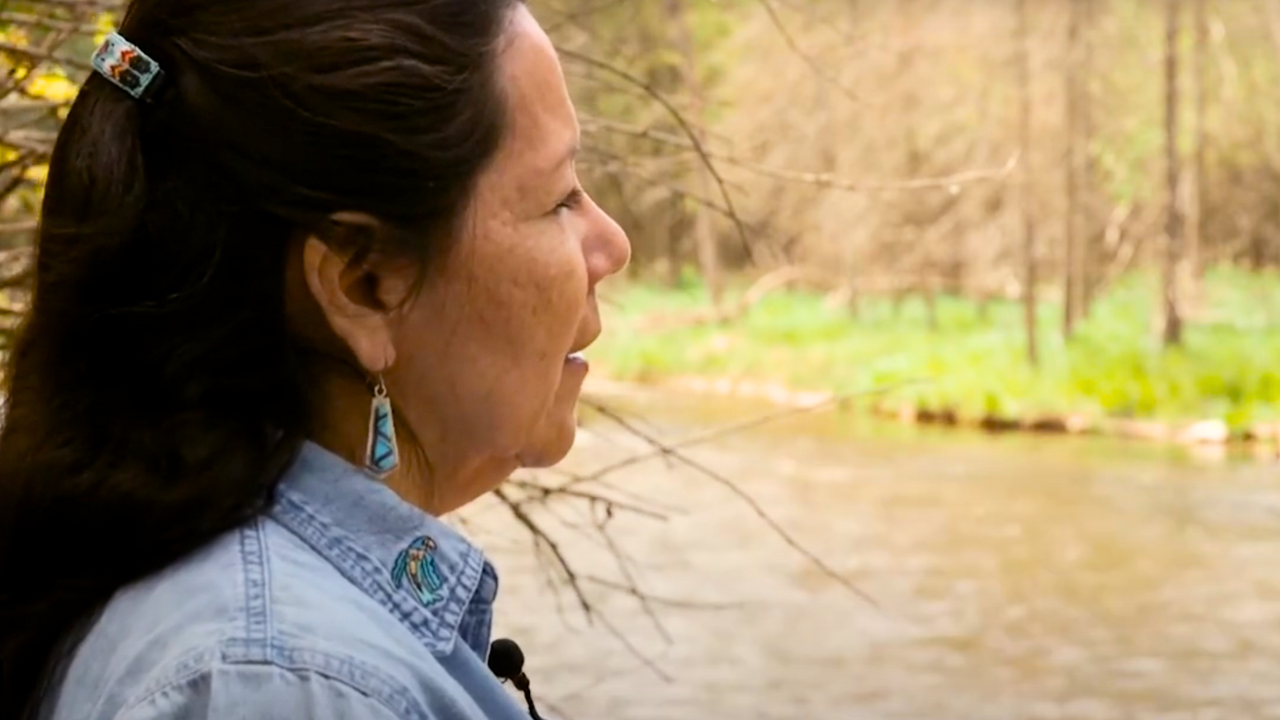
The earth’s oceans are home to thousands of species of marine life, from tiny plankton to enormous humpback whales. The Great Lakes’ contain more than six thousand shipwrecks – important pieces of history kept preserved in their icy waters. These waters are also the heart of many human communities, from native communities that have depended on the ocean for centuries; to vacationers who use the water to dive, surf and fish; to scientists who study marine life.

In this Into the Outdoors episode and related Into the Outdoors @Home topic videos, we see how National Marine Sanctuary designations across the country are protecting and preserving these precious natural resources.

Find links to the Into the Outdoors @Home topic videos below. These custom learning videos are designed to share with your entire classroom. You’ll also find other educational content, including custom lesson activities that blend peer-driven learning and hands-on activities.

For more information and resources related to National Marine Sanctuaries and Monuments, head to Sanctuaries.NOAA.gov

    Full Video

    Classroom Videos

    The Economic Impact of National Marine Sanctuaries

    Becoming A Marine Steward

    Marine Conservation – How You Can Make A Difference

    Recovering and Recycling Ocean Plastics

    Classroom Assets

    Marine Sanctuaries Make Cents

    Marine Steward Recruitment Center Project

    ITO How You Can Make a Difference

    Pre Lesson Questions

    RElated Content
    Women Reshaping Conservation & Hunting

    Why are women becoming the fastest growing segment of hunters in America today? Their reasons for breaking the stereotype image of men in blaze orange range from...

    Into Bringing Back Wisconsin’s Elk

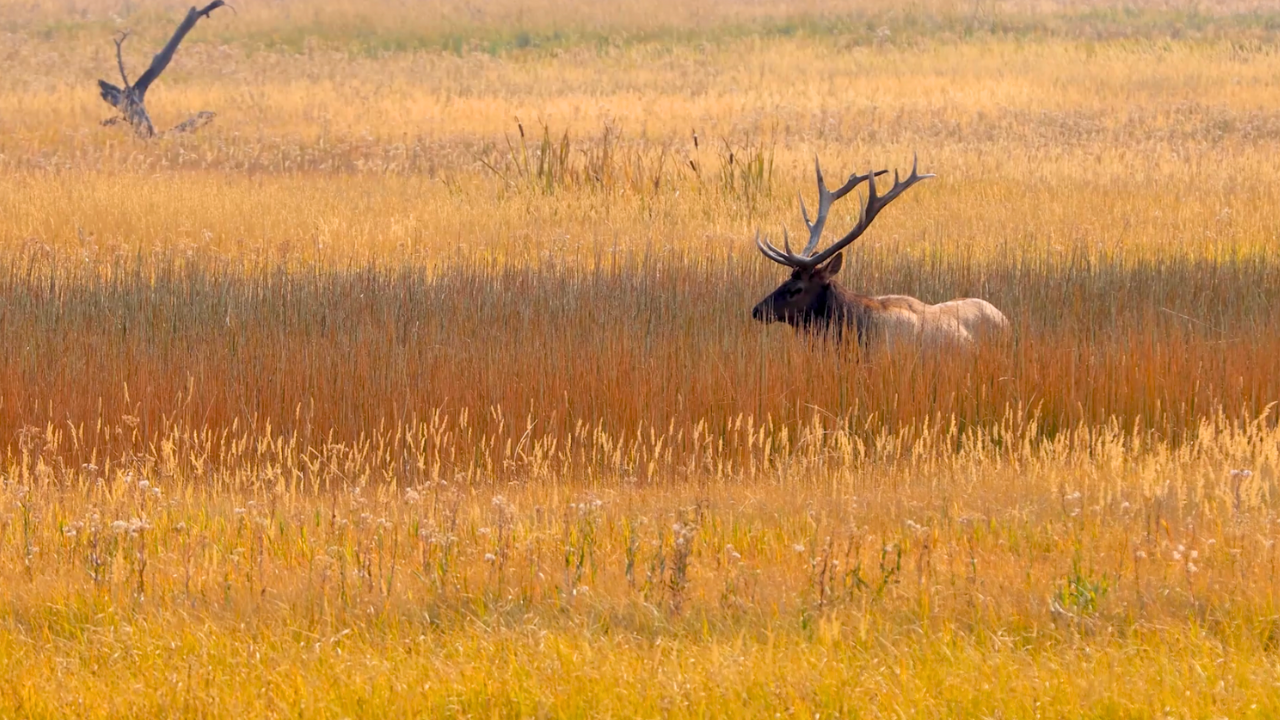
    Join us in this Into the Outdoors episode as we welcome the elk back to Wisconsin! But wait...maybe you didn’t even know they left?  Elk were completely eliminated in...

    Managing Forests for Multi-Use

    Discover how sustainable forest management benefits wildlife, recreation, and the economy. From protecting ecosystems to producing forest products, learn how forests...

    Turning Crude Oil into Fuels

    Have you ever wondered where the fuels that power our vehicles comes from? Or, have you thought about how they turn syrupy black crude into the clear gasoline and fuels...

    The Science of Modern Biofuels

    Okay, we admit that harnessing the biochemical reaction of yeasts converting the carbohydrates in corn mash into ethanol is pretty slick (as ancients discovered eons...

    Into Wildlife Rehabilitation: First Responders

    If you found an injured wild animal, what would you do? There are many myths and misinformation about how to rescue animals, and doing the wrong thing can add stress or...

    Forming Your High School Bass Fishing Club

    Okay, so there's several great ways to enjoy and share the bass fishing fun and education in this show. First, you can kick back with family or friends to watch this...

    Safety and Etiquette: Becoming A Responsible Boater

    Boating safety courses are essential for teaching new boaters about the rules of the waterway and how to safely operate a boat, but there are some "unspoken rules" that...

    America’s Conservation Legacy

    When European settlers began spreading across America's wild landscape, their guns combined with uncontrolled market hunting dramatically impacted the estimated 45...

    Into Safe and Smart Boating – Part 1

    Whether you're boating or fishing from a boat, canoe, or kayak, being safe on the water comes down to a few basic facts. The first fact facing us humans is that we...

    Thank you, Partners!