Ripples in the Forest
So what makes a forest ecosystem dynamic and sustainable? Discover the answers by watching the four parts of this science show and reading the information below. And to take this learning adventure into your classroom, have your teacher download the free Lesson Activity at the bottom of this page so everyone can share in the fun of this inquiry based learning.
Well, it’s because a forest is constantly changing. Various processes take place in the forest that are crucial to life… such as getting clean air to breathe or clean water to drink. It starts when trees and other plants absorb carbon dioxide from the air and then convert it into roots, shoots, wood, leaves, flowers, and fruits through the process of photosynthesis. Photosynthesis is where plants use light energy, carbon dioxide, and water to make sugars and release oxygen, which is great for breathing. But as forests grow and regenerate, they also play crucial roles in the water cycle and carbon cycle. The four parts of this Into the Outdoors episode and the Serious Science video on Sustainable Forestry reveal the science behind our dynamic forests.
As bonus educational material for your classroom, below you’ll find the high school activity from Project Learning Tree on Monitoring Forest Health. This activity is the first of nine found in PLT’s Focus on Forests: Forest Ecology guide. Check it out on Focus on Forests from Project Learning Tree.
Share this forestry fun and education with your friends or classroom. Or, check out the “Sustainable Forestry” video on this site and its related classroom Lesson Guide. “Timber”
Full Video
Classroom Videos
A More Sustainable Planet
RElated Content
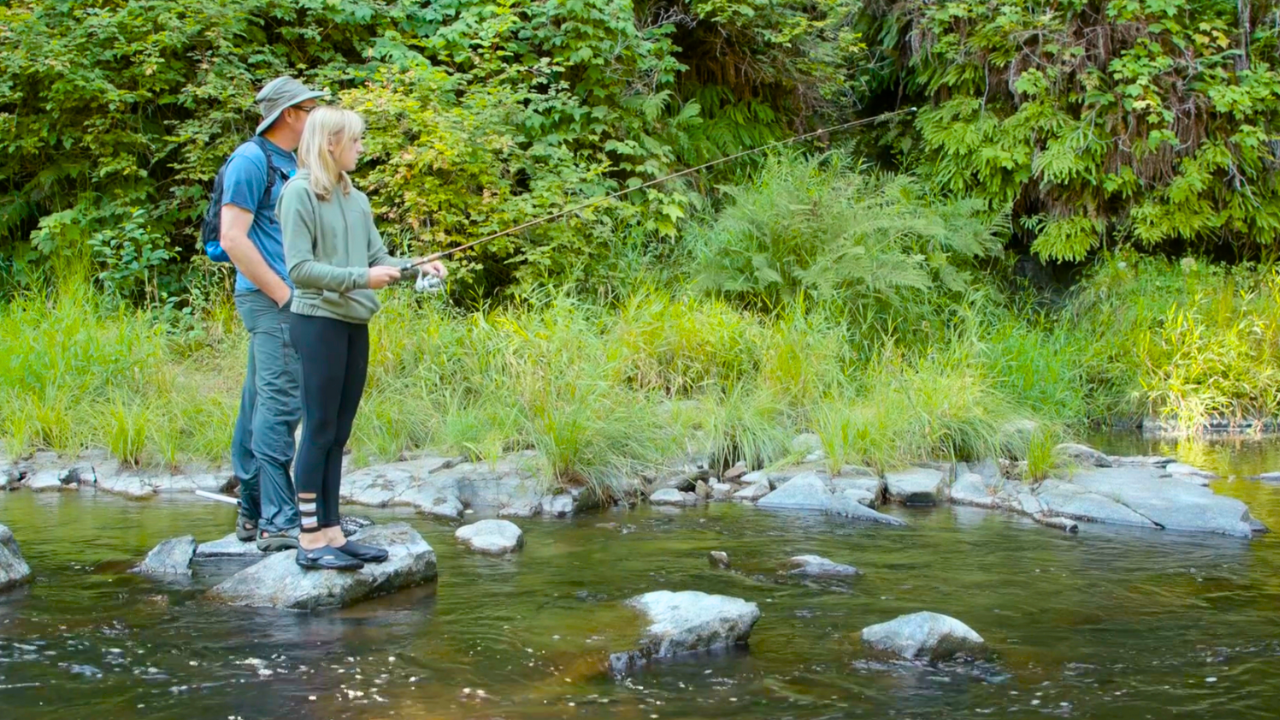
Into Family Fishing in Your National Forests
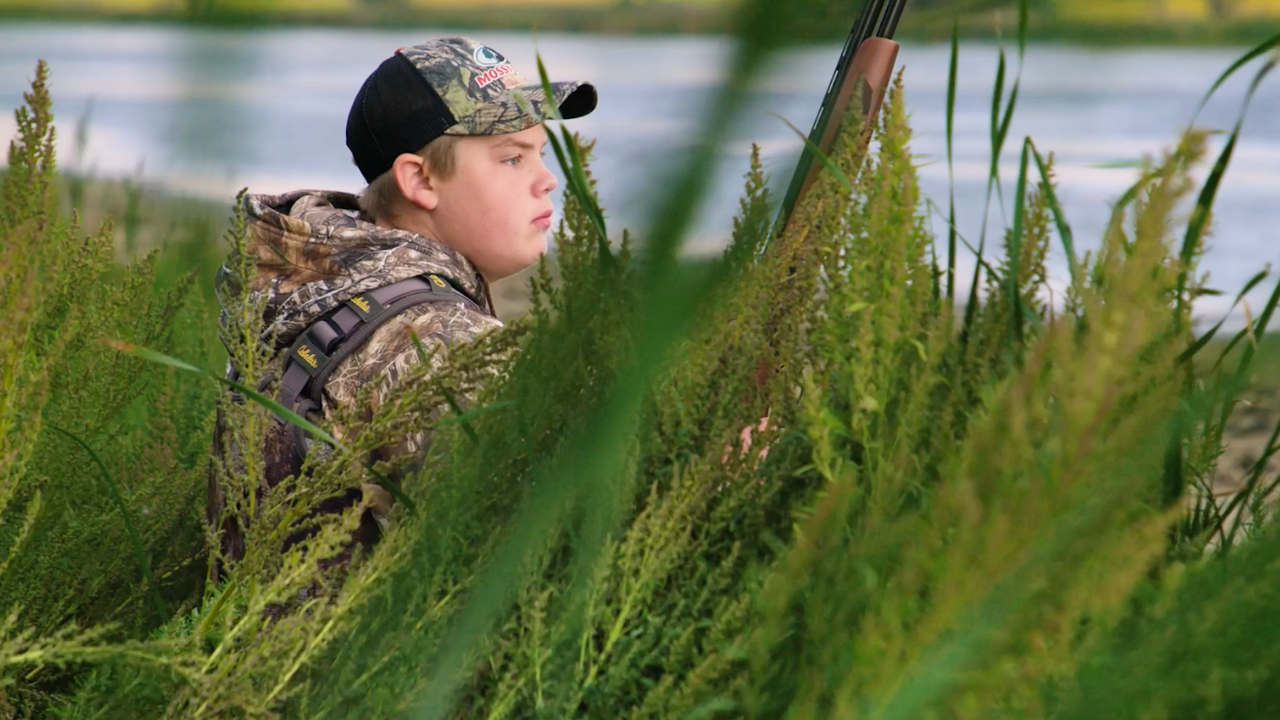
Into Wetland Conservation
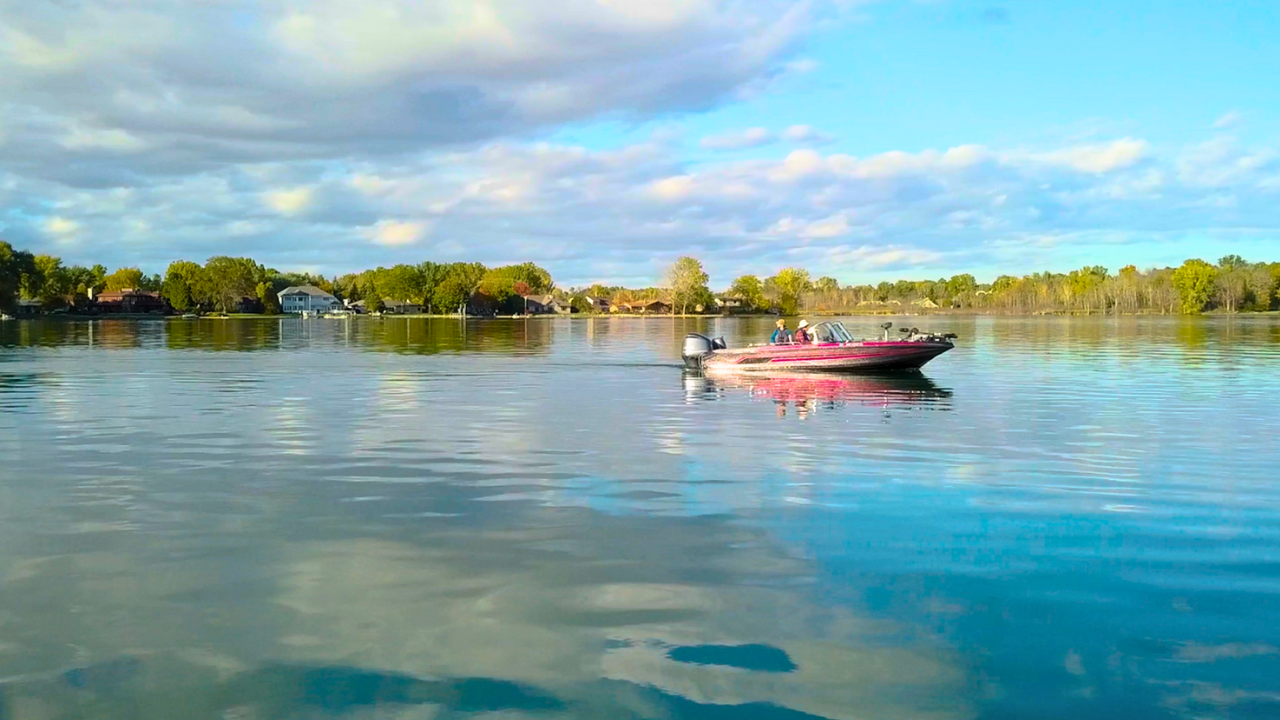
Into Safe and Smart Boating – Part 2
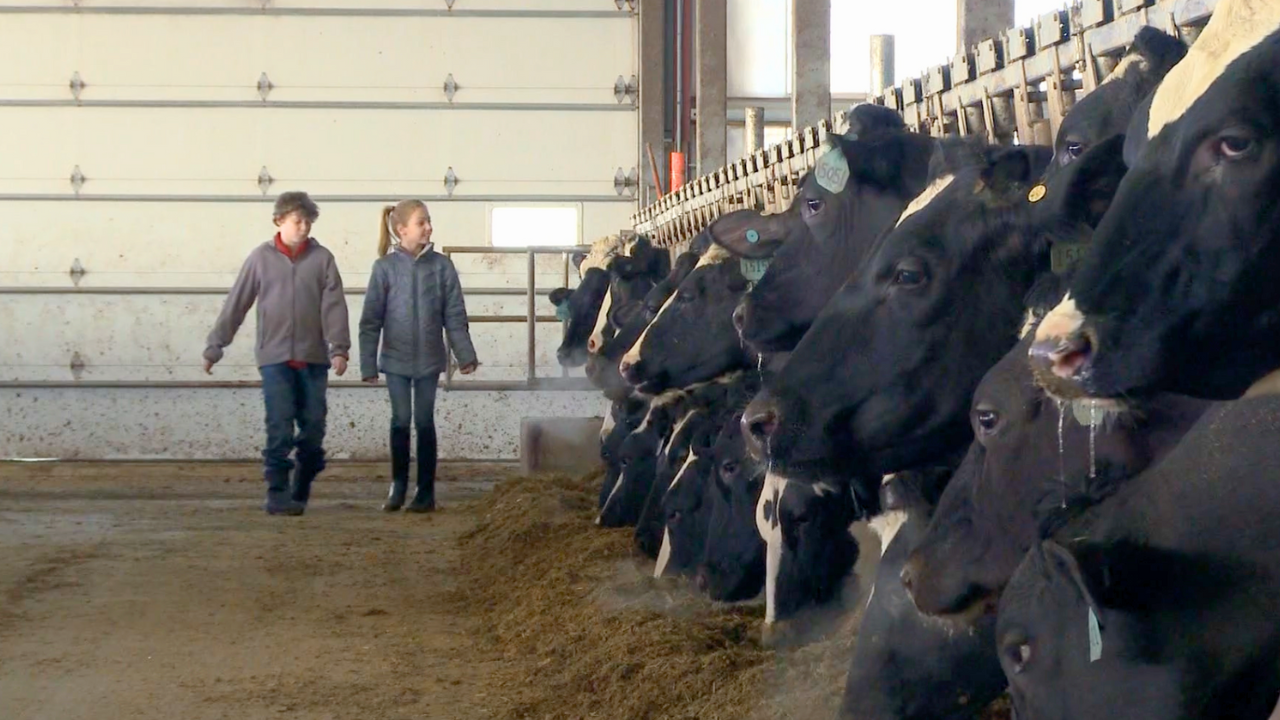
Exploring Dairy Science

Into National Marine Sanctuaries
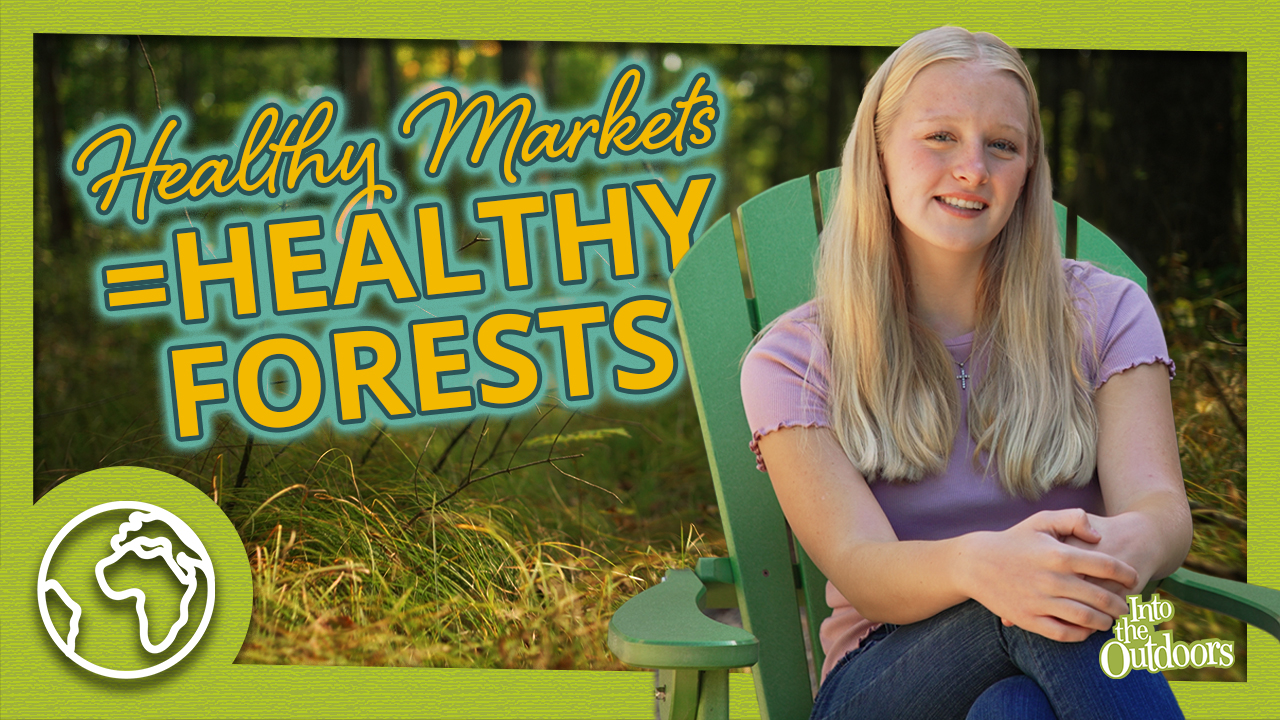
How Healthy Markets Sustain Forests
Crazy for Crappies
Into Boating Safety: How Life Jackets Save You
Managing Forests for Multi-Use